01
Wetland Functioning
How wetlands work
We study how wetland size, position, hydrology, and soil traits shape their hydrologic and biogeochemical roles.
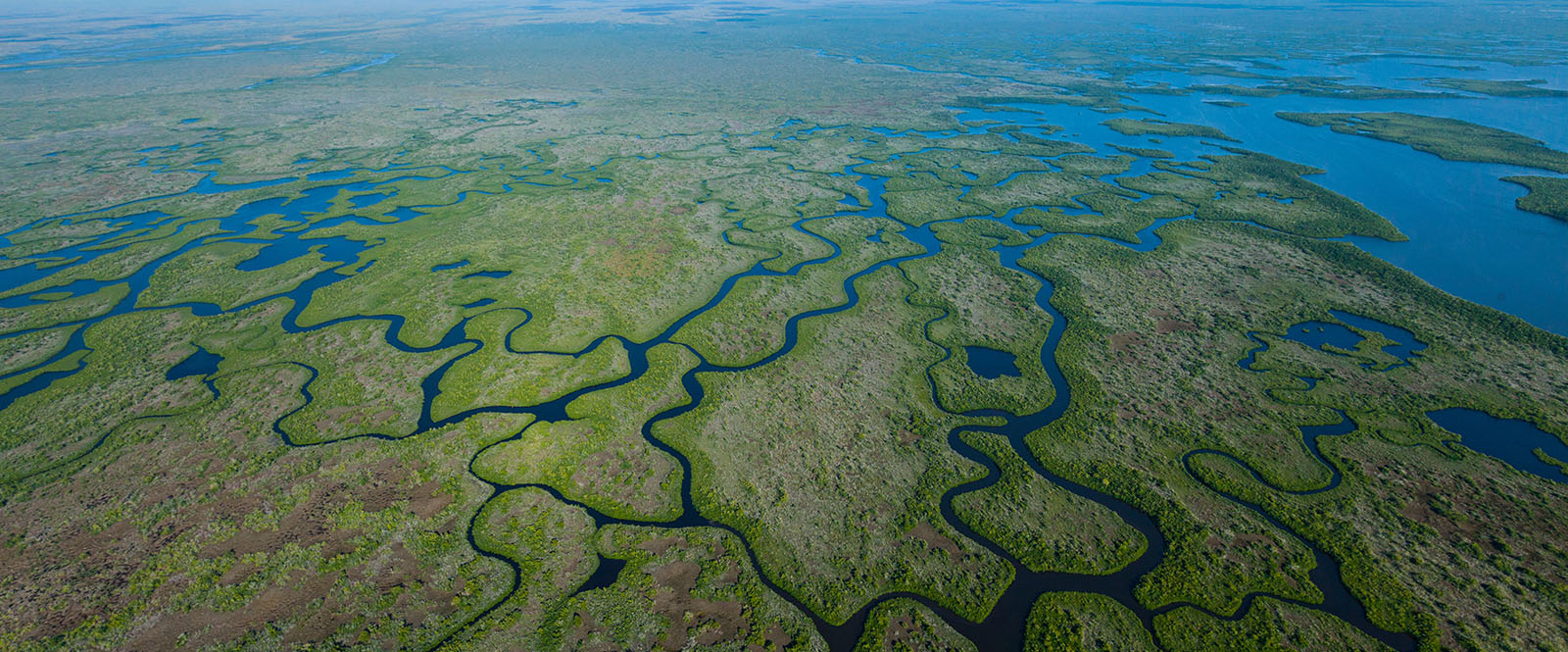
Our mission is to advance understanding of wetlands as critical natural systems, revealing how their size, connectivity, and management shape water quality. We provide evidence that supports the protection and restoration of these landscapes for healthier watersheds and communities.
We connect individual wetland characteristics with broader watershed patterns to understand where wetlands provide the greatest water-quality benefits.
We study how wetland size, position, hydrology, and soil traits shape their hydrologic and biogeochemical roles.
We examine how wetland density, location, and connectivity influence watershed health and downstream water quality.
We explore how people have altered wetlandscapes and how protection and restoration can improve downstream water quality.
Learn more about the research team, collaboration opportunities, and the work behind the Wetlandscapes platform.
Wetlandscapes is a subteam of Solutionscapes focused on understanding how wetlands improve water quality across landscapes. We use data on solute levels and nutrient retention to reveal how different wetland types, sizes, and locations contribute to cleaner water and healthier ecosystems.
Meet the team →Interested in contributing to wetland restoration and data-driven research? The Wetlandscapes team welcomes collaborators who are passionate about using science and design to better understand how wetlands improve water quality and resilience.
View current opportunities →Explore the global record and learn how wetland characteristics relate to nutrient retention across different landscapes.